Starting from Prohibitions to Rewards: The Varied Offerings of Deep Web Markets
The dark web has for a long time been a topic of interest and worry, capturing the imagination of both law enforcement and curious individuals alike. Concealed beneath the surface of the internet, the darknet operates as a shadowy marketplace where a multitude of goods and services can be found, often outside of the reach of traditional regulations. While it is frequently associated with illicit activities, the truth of dark web markets is far more complicated, revealing a spectrum that spans from prohibited substances to valid offerings.
In recent years, these online marketplaces have evolved, reflecting changes in tech, user needs, and societal attitudes. Some markets have been closed in high-profile operations, while others have emerged, adapting to an ever-changing landscape. The following article delves into the diverse offerings of dark web markets, exploring how they function, what is available, and the consequences of their existence for both consumers and society at whole.
Understanding Darknet Marketplaces
Darknet marketplaces are digital platforms that operate on the darknet, allowing users to buy and trade a variety of goods and services, often anonymously. Such marketplaces can vary from legal items, such as digital products and privacy-enhancing tools, to illicit offerings, including drugs, weapons, and stolen data. The anonymity provided by the darknet is a crucial factor in the operation of these markets, as it protects users from law enforcement and possible consequences.
Entering dark web markets typically requires specific software, such as Tor, which masks the user's IP address and scrambles internet traffic. This offers a level of privacy that attracts a varied user base, made up not only of buyers and sellers but also of those seeking information or participating in discussions about privacy and security. dark market 2026 within these platforms frequently includes user reviews and feedback mechanisms to build trust among participants, even with the inherent risks involved.
The proliferation of dark web markets has prompted both interest and concern from various sectors, including law enforcement and cybersecurity experts. While these markets can enable illicit activities, they also bring up questions about digital privacy, the ethics of online trading, and the effectiveness of existing regulations. As dark web markets continue to evolve, they offer a complex landscape that reflects broader societal trends towards anonymity in digital communication and commerce.
Types of Goods and Services
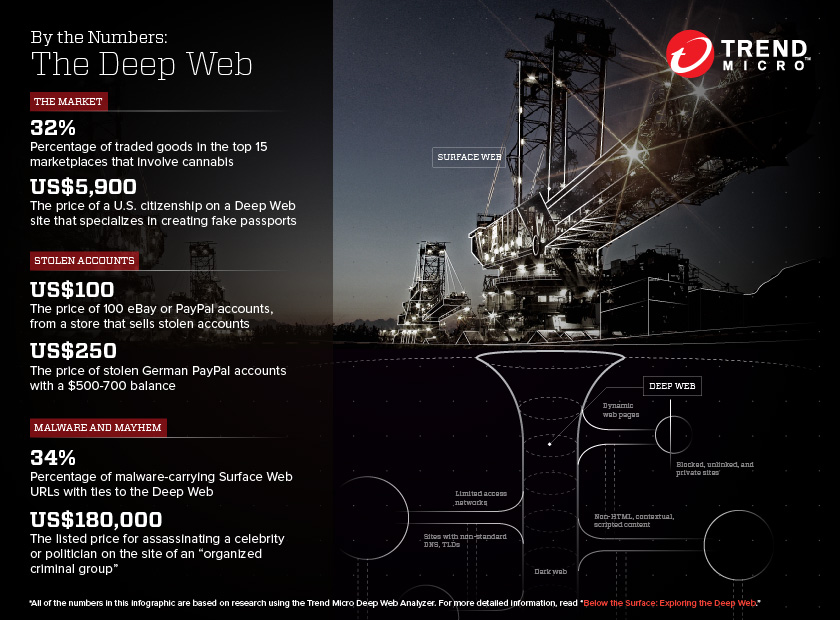
Dark web markets are known for their diverse selection of goods and services that address a variety of interests and needs. One of the most infamous categories includes illegal drugs. Users can find everything from marijuana to synthetic opioids, with vendors offering different strains, quantities, and purity levels. The secrecy of the dark web allows users to explore options without the concern of legal repercussions, creating a special ecosystem for buyers and sellers alike.
In besides narcotics, dark web platforms also provide availability of forged items. This can range from phony IDs to duplicate credit cards and luxury goods. Vendors often take considerable attention in creating plausible replicas, and consumers often seek these products for various reasons, including evading law enforcement or taking part in fraudulent activities. The spread of these goods highlights the dangers associated with engaging in dark web transactions.
Another significant offering on dark web markets is cybercrime services and online tools. This includes a range from phishing kits and malware to comprehensive hacking services aimed at breaching networks and taking sensitive information. These services attract people or collectives with malicious intent, tapping into a growing demand for cybercriminal activities. The dark web has practically become a marketplace for those looking to take advantage of vulnerabilities in online safety, reflecting the evolving landscape of crime in the current era.
Legal Risks and Risks
Involvement with unauthorized web markets presents substantial legal implications, often differing by region. Numerous transactions associated with these markets, such as buying illegal narcotics, firearms, and illicitly obtained data, are criminal acts. Law enforcement authorities have developed advanced techniques to monitor participants and sellers, which can result in apprehensions and prosecutions. Users may mistakenly believe their secrecy safeguards them, but the fact is that multiple instances show individuals being apprehended for their online activities.
Additionally, the dangers involved extend beyond legal prosecution. Participants face potential scams and rip-offs, as the dark web does not have the equivalent consumer protections as mainstream commerce. Consumers can waste money on forged goods or not receive goods completely. Furthermore, conducting exchanges on these platforms can also entrust individuals to dangerous organizations that may resort to coercion, aggression, or extortion if they perceive a participant as weak.
Finally, there are broader societal implications of dark web markets that cannot be disregarded. Their operation sustains criminal markets and undermines lawful enterprises. The trade of forbidden items and services can lead to escalated criminal activity, substance abuse, and societal harm. Both participants and the general public must recognize the far-reaching effects of engaging with these illicit markets, as they play a role in sustaining a cycle of criminal actions and its consequential threats.